
Description
Product Overview
Butterflies have long captivated scientists and hobbyists alike, and this Princeton University Press volume delivers a definitive, print‑replica experience that bridges rigorous scholarship with visual splendor. Authored by leading entomologists, the book synthesizes decades of field research, taxonomic revisions, and ecological observations into a single, cohesive narrative. Each chapter is organized to guide readers from foundational concepts—such as butterfly anatomy, life cycles, and evolutionary history—to advanced topics like migration patterns, climate change impacts, and conservation strategies. The text is meticulously edited to ensure clarity, accuracy, and accessibility, making it suitable for undergraduate coursework, graduate seminars, and independent study alike.
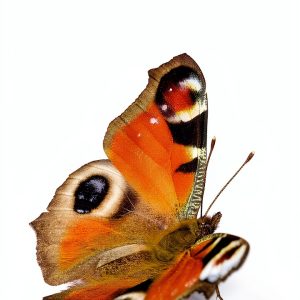
The print‑replica format preserves the original layout of the digital edition, presenting 304 pages of crisp, high‑resolution imagery that showcases the vivid coloration, intricate wing patterns, and diverse habitats of butterfly species across the globe. Photographs are paired with detailed captions that identify species, geographic locations, and key behavioral traits, allowing readers to connect visual cues with scientific descriptions. The book also includes comprehensive tables, distribution maps, and reference lists that support deeper investigation and facilitate cross‑referencing with other scholarly resources.
Beyond its visual appeal, the volume offers a wealth of contextual information that enriches the learning experience. Chapters on phylogenetics explore the genetic relationships among major butterfly families, while sections on ecological interactions examine pollination networks, predator‑prey dynamics, and symbiotic relationships with host plants. The authors integrate recent findings from molecular studies, remote sensing, and citizen‑science initiatives, ensuring that the content reflects the most current understanding of lepidopteran biology. This blend of classic natural history and modern scientific methodology makes the book a valuable reference for researchers seeking to ground their work in a solid, comprehensive foundation.
Designed with educators in mind, the book aligns with common curriculum standards for biology and environmental science. It provides ready‑to‑use teaching modules, discussion questions, and project ideas that can be incorporated into classroom activities or field‑based assignments. The clear organization, coupled with the print‑replica’s faithful reproduction of diagrams and charts, enables instructors to assign specific sections for focused study, fostering critical thinking and analytical skills among students. Whether used as a primary textbook, a supplemental reading, or a reference guide for independent projects, the volume supports a wide range of pedagogical approaches.
Finally, the book’s production quality reflects Princeton University Press’s commitment to durability and longevity. The hardcover binding, acid‑free paper, and protective dust jacket ensure that the volume can withstand frequent handling in laboratory settings, libraries, and field stations. The print‑replica format also preserves the original pagination and layout, facilitating citation and cross‑referencing with other academic works. In sum, this book offers a comprehensive, visually engaging, and academically rigorous resource that meets the needs of scholars, educators, and nature enthusiasts alike.
![[Product front view showing all components]](https://www.selectstyles.store/wp-content/uploads/2026/06/349f1be75255412491f331f6aec4b195.jpg)
Usage
In academic environments, the book serves as an essential text for courses in entomology, ecology, and biodiversity conservation. Instructors can assign specific chapters for lecture preparation, laboratory identification exercises, or group projects that explore the ecological roles of butterflies in various ecosystems. The high‑quality images support hands‑on learning, allowing students to compare field specimens with the detailed photographs and diagrams presented in the book. Additionally, the comprehensive reference sections enable graduate students to locate primary literature sources for literature reviews and thesis work.
Outside the classroom, the volume is an ideal companion for field researchers, citizen scientists, and hobbyist lepidopterists. Its portable yet durable design makes it convenient to carry on field trips, where users can consult species accounts, distribution maps, and behavioral notes while observing butterflies in their natural habitats. Naturalists can use the book as a field guide to enhance identification accuracy, while conservation practitioners can reference the sections on habitat requirements and threats to inform management plans and restoration projects. The book also appeals to casual readers who appreciate nature photography and seek an in‑depth understanding of butterfly diversity.
Why Choose Us
Princeton University Press brings over a century of publishing excellence to every title, and this butterfly volume exemplifies that legacy. The press employs a rigorous peer‑review process, enlisting subject‑matter experts to validate the scientific content, ensure methodological soundness, and maintain high editorial standards. This commitment to quality guarantees that readers receive accurate, up‑to‑date information that reflects the latest research findings and consensus within the scientific community.
Moreover, the press invests in superior production techniques that enhance the tactile and visual experience of the book. The print‑replica format reproduces the original digital layout with exact fidelity, preserving the integrity of complex figures, color plates, and typographic elements. The use of archival‑grade paper and a sturdy hardcover binding protects the pages from wear, making the volume suitable for repeated use in laboratory, classroom, and field settings. By choosing this book, customers benefit from a product that combines scholarly rigor with lasting physical quality.
Key Features
- Comprehensive coverage of butterfly biology, from anatomy to conservation, providing a one‑stop reference for students and researchers.
- 304 pages of high‑resolution color photographs and detailed illustrations that bring species to life and aid accurate identification.
- Print‑replica format preserves the original layout, ensuring seamless integration of text, tables, and images for easy study.
- Durable hardcover binding and acid‑free paper designed for frequent handling in labs, libraries, and field environments.
- Dedicated customer support and after‑sales service, offering assistance with any product inquiries or replacement needs.
FAQ
What is the difference between the print‑replica and a standard paperback edition?
The print‑replica reproduces the exact layout, pagination, and high‑resolution images of the original digital edition, whereas a standard paperback may reformat content and use lower‑quality images. This ensures that citations, figure references, and visual details remain consistent with the scholarly source.
Is the book suitable for beginners with no prior knowledge of entomology?
Yes. The text is written in clear, accessible language and includes introductory sections that explain fundamental concepts before progressing to more advanced topics, making it appropriate for both novices and experienced readers.
Can I use this book for field identification of butterflies?
Absolutely. The high‑quality color plates, detailed species descriptions, and distribution maps are designed to support on‑site identification and comparative study during fieldwork.
What kind of support does Princeton University Press provide after purchase?
Princeton University Press offers responsive customer service for any product‑related questions, including assistance with shipping, handling, and replacement of damaged copies. They also provide digital resources and updates when new editions or supplemental materials become available.


Reviews
There are no reviews yet.